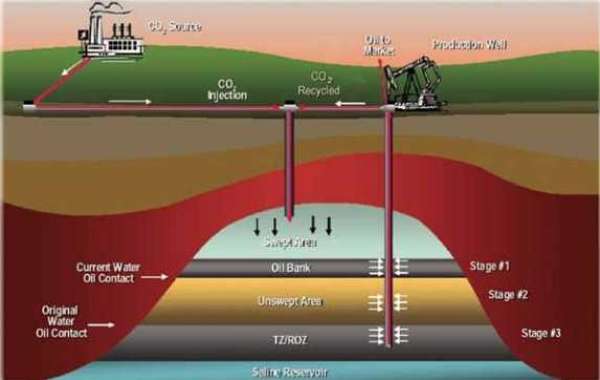

Enhanced Oil Recovery (EOR) plays a critical role in increasing production from aging fields, helping stabilize global energy supply. Yet, like all extractive processes, EOR brings environmental implications that must be evaluated. Depending on the method—chemical flooding, gas injection, or thermal recovery—impacts can vary significantly. Responsible operators must balance increased hydrocarbon recovery with ecological stewardship.
Greenhouse Gas Emissions
Thermal EOR techniques, such as steam injection, require substantial heat generation, often relying on fossil fuels. This reliance leads to notable CO₂ emissions. Without mitigation measures, thermal recovery can elevate the carbon footprint of oil production.
However, CO₂ injection EOR presents a notable environmental advantage. By using CO₂ from industrial sources and storing a portion underground, operators can reduce net emissions. While not a complete solution, CO₂-EOR can complement carbon capture and storage strategies to reduce atmospheric greenhouse gases.
Water Use and Contamination Risks
Water demand in EOR operations is substantial, especially for steam flooding and chemical recovery. In water-scarce regions, this can strain local supplies. Additionally, produced water—water brought to the surface during extraction—may contain chemicals, salts, and hydrocarbons that require proper treatment to prevent contamination.
Accidental leaks or poor wastewater management pose risks to surface and groundwater. Robust monitoring systems and treatment technologies help mitigate these risks, reinforcing the importance of strong environmental management.
Land Use and Biodiversity
EOR infrastructure, including injection wells, pipelines, and treating facilities, can disrupt local ecosystems. Construction activities may lead to soil degradation or habitat fragmentation. Operators must prioritize site planning to minimize ecological footprint.
In some cases, EOR projects rehabilitate older fields rather than developing new sites, reducing the extent of land disturbance. Proper decommissioning practices further minimize long-term environmental impacts.
Chemical and Gas Handling
Chemical EOR involves injecting surfactants, polymers, or alkaline substances to improve mobility. Mishandling or accidental spills can introduce pollutants into the environment. Strict chemical management and spill response strategies are essential to mitigate this risk.
Gas injection methods, particularly those involving CO₂ or nitrogen, pose fewer chemical contamination risks but require careful pressure management to prevent reservoir damage or unintended migration.
Conclusion
EOR offers both environmental opportunities and challenges. It can extend field life, reduce land development pressure, and in some cases support carbon management. Yet, it brings concerns related to emissions, water use, and ecological disturbance. The key lies in using best-practice technologies, strong monitoring, and proactive environmental planning. When executed responsibly, EOR can balance energy needs with meaningful environmental protection.