
The global graphics processing unit market is fundamentally segmented into two distinct product categories, each serving different market needs and exhibiting different growth dynamics: integrated GPUs and discrete GPUs. A market analysis of the graphic processing unit market requires a clear understanding of this primary segmentation. Key points related to the graphic processing unit market highlight that an integrated GPU (iGPU) is a graphics processor that is built directly into the same chip as the main central processing unit (CPU). In contrast, a discrete GPU (dGPU) is a separate, dedicated chip on its own circuit board (a graphics card) with its own dedicated video memory (VRAM). The key players in the iGPU space are the major CPU manufacturers, Intel and AMD, as they control the CPU architecture. The vast majority of laptops and desktop PCs shipped globally use an iGPU, making it the largest segment by unit volume. The future in the graphic processing unit market for iGPUs is focused on improving their performance and efficiency to handle everyday tasks and light gaming without the need for a separate card.
The value proposition of integrated GPUs, a key point for their market dominance in volume, is their low cost, low power consumption, and small physical footprint. By integrating the graphics capabilities onto the CPU die, key players like Intel and AMD can provide a cost-effective, all-in-one solution for mainstream laptops, office desktops, and other devices where high-end graphics performance is not a primary requirement. The future of iGPUs is being driven by significant performance improvements. Modern iGPUs from key players AMD and, increasingly, Apple (with its M-series chips) are now capable of handling casual gaming and content creation tasks that would have required a discrete card just a few years ago. This is putting pressure on the low-end discrete GPU market. The graphic processing unit market size is projected to grow USD 170.45 Billion by 2035, exhibiting a CAGR of 13.99% during the forecast period 2025-2035. While discrete GPUs drive a significant portion of the revenue due to their high prices, the volume of the iGPU market, particularly in the massive PC markets of North America, Europe, and APAC, is immense.
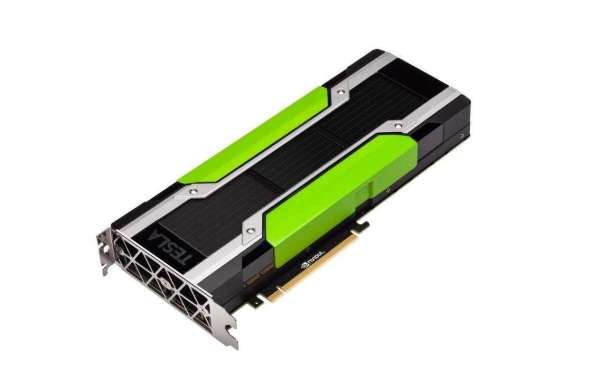
Discrete GPUs, on the other hand, represent the high-performance, high-margin segment of the market. A key point is that dGPUs are designed for workloads that require massive parallel processing power. This includes high-end PC gaming, professional content creation (video editing, 3D rendering), and, most significantly, the data center workloads of AI and HPC. The key players in the discrete GPU market are NVIDIA and AMD, with Intel as a recent entrant. These companies compete to deliver the absolute highest performance possible. Discrete GPUs have their own dedicated, high-speed memory, which is critical for handling the large datasets and complex textures used in modern games and AI models. The future in the graphic processing unit market is one where the demand for discrete GPUs, particularly for the data center, will be the primary driver of revenue growth. This high-end segment is dominated by demand from North America and, increasingly, from the hyperscalers and AI companies in APAC. The developing markets of South America and the MEA are primarily consumers of lower-end discrete cards for gaming.
In summary, the key points of the GPU market segmentation highlight a clear divide between high-volume, cost-effective integrated GPUs and high-performance, high-margin discrete GPUs. The key players in each segment are distinct, with CPU manufacturers dominating the integrated space and specialized graphics companies leading the discrete market. The future in the graphic processing unit market will see the performance gap between the two segments narrow at the low end, but the demand for the most powerful discrete GPUs for AI and gaming will continue to drive the industry's revenue and innovation. This dual-market structure is a global phenomenon, with the mix of iGPU and dGPU adoption varying by region based on economic factors and primary use cases, from the high-end gaming and AI markets in North America to the more mainstream computing needs in South America and the MEA.
Top Trending Reports -